Stiffness, chemical resistance, hinge life and cost per thousand — a straight comparison of the two resins used for most closures.
How the two resins differ
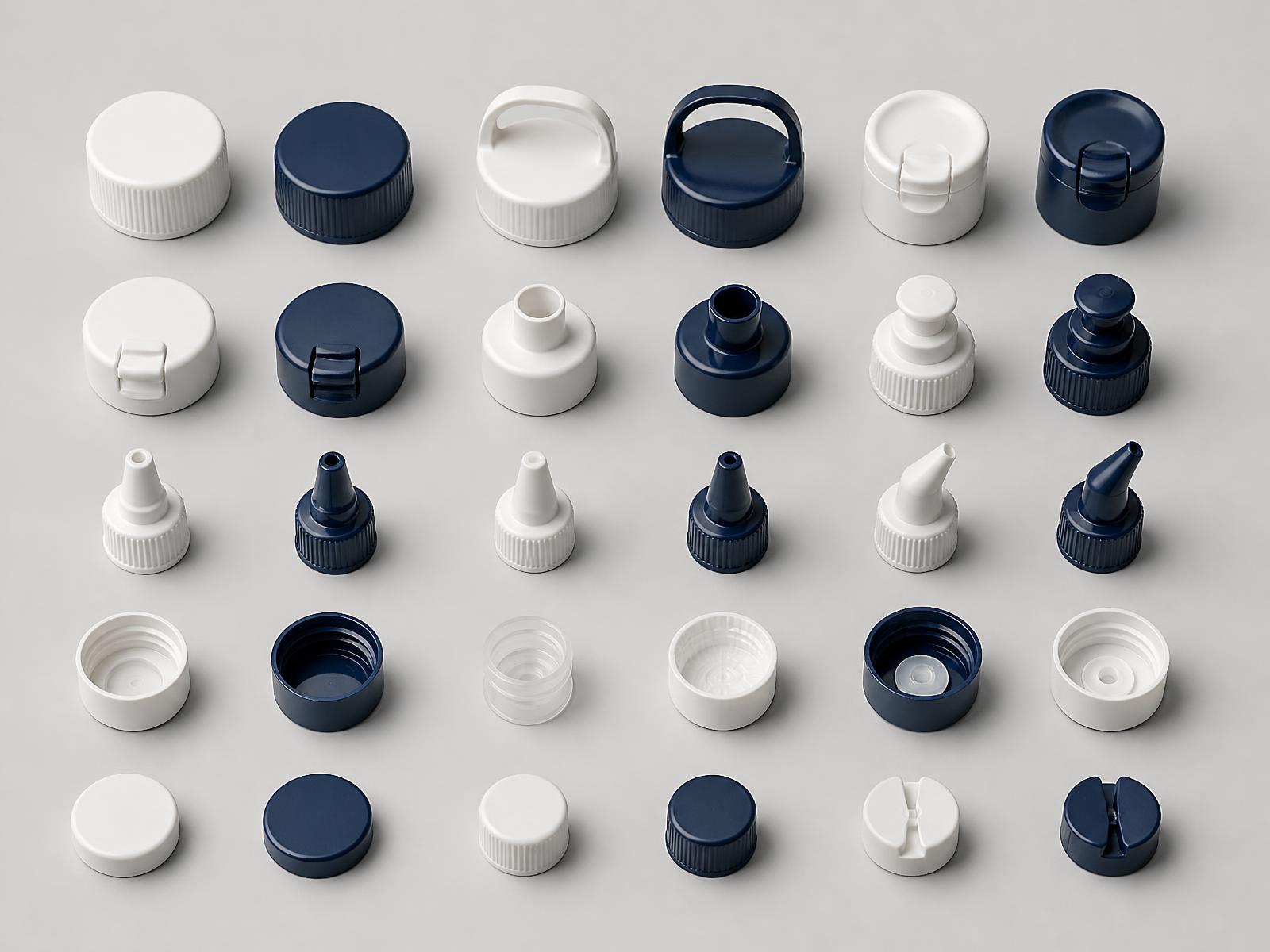
Polypropylene is stiffer, holds thread geometry well and tolerates higher temperatures — which is why it dominates flip-top hinges and hot-fill applications. HDPE is tougher at low temperature and more forgiving on impact, making it common for larger chemical and lubricant closures.
Chemical resistance and contents
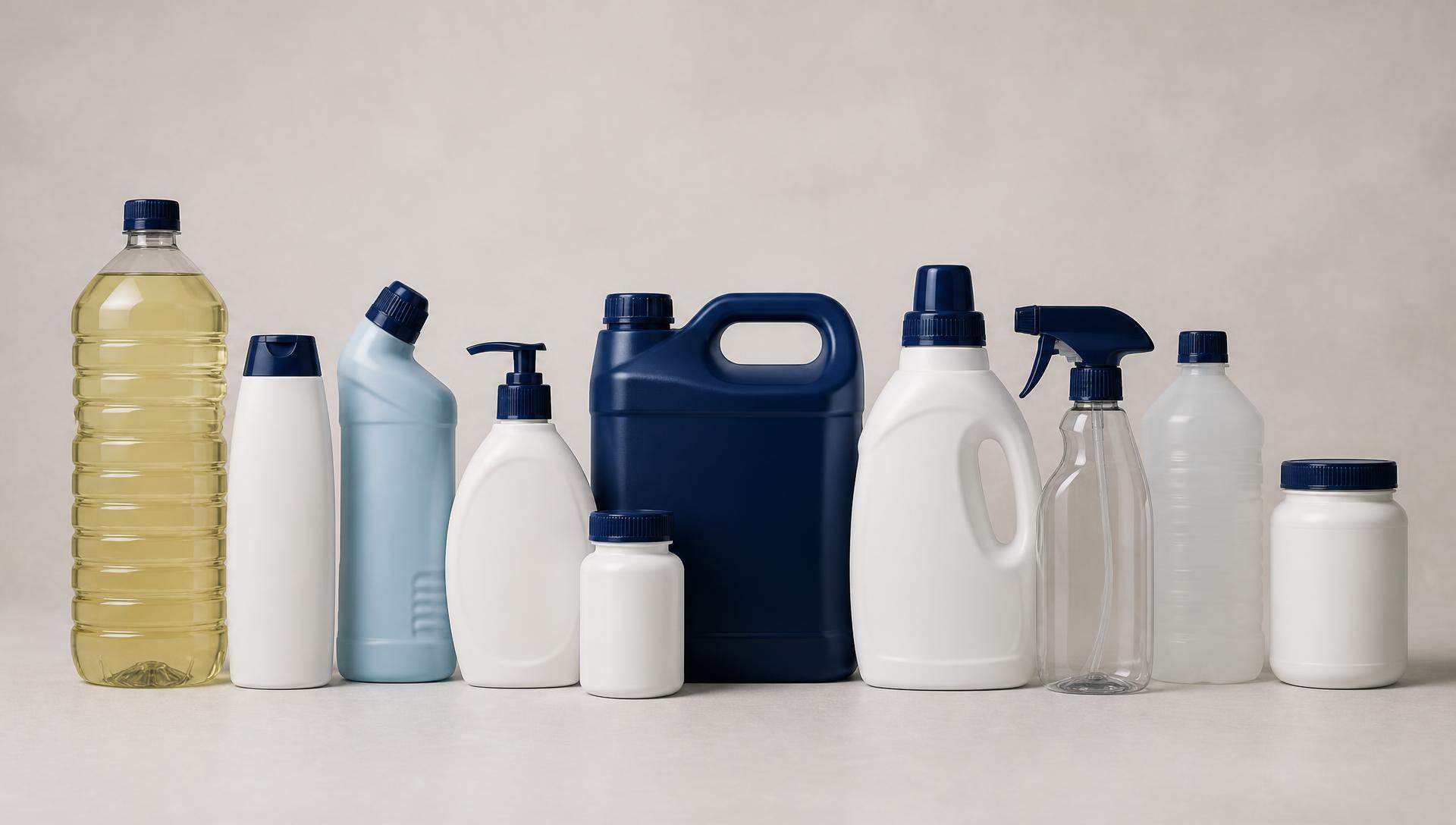
Both resins resist a broad range of chemicals, but behaviour depends on the specific contents, concentration and storage temperature. For agrochemicals and solvents, resistance should be validated against the actual formulation rather than a generic table.
Cost and processing
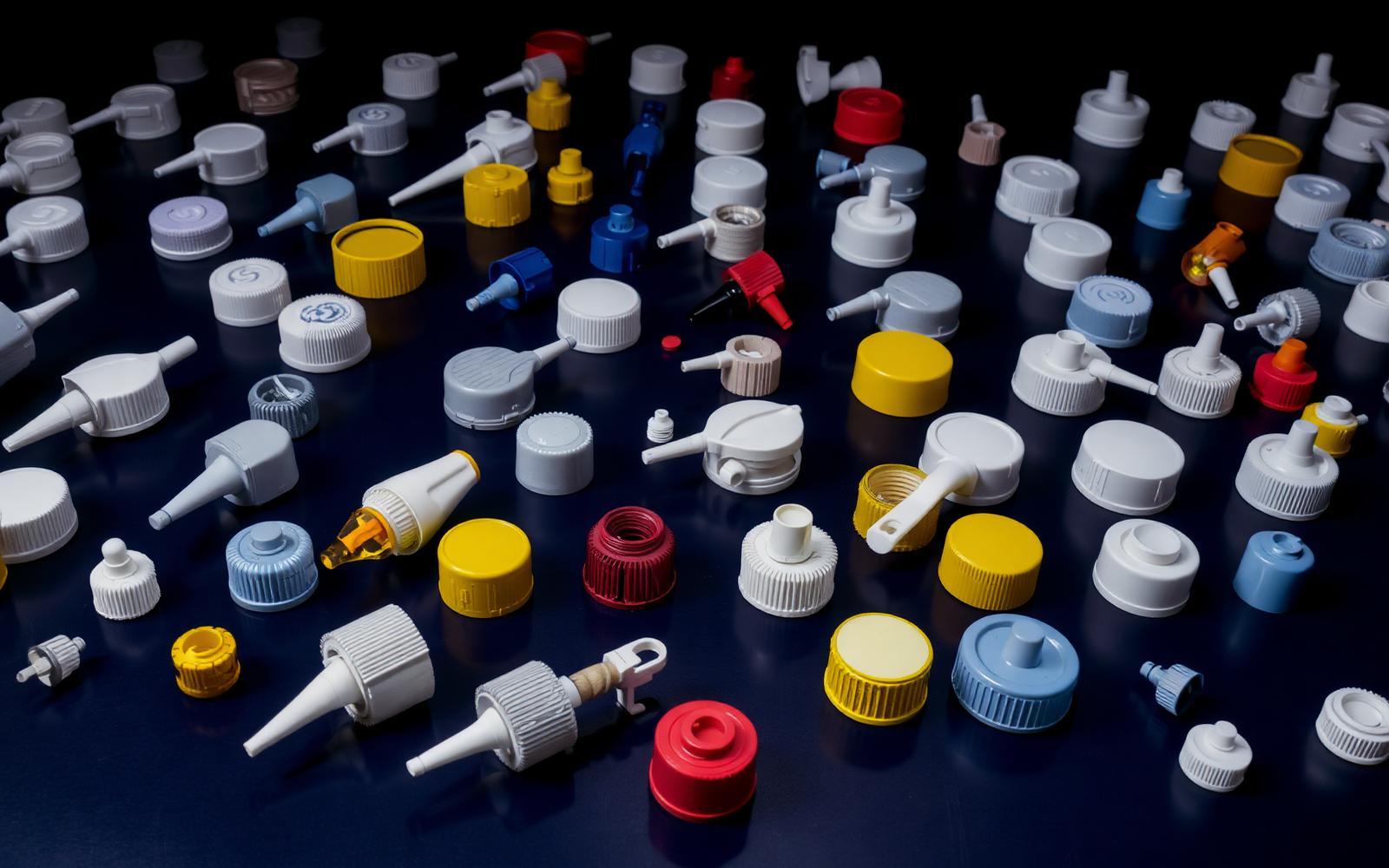
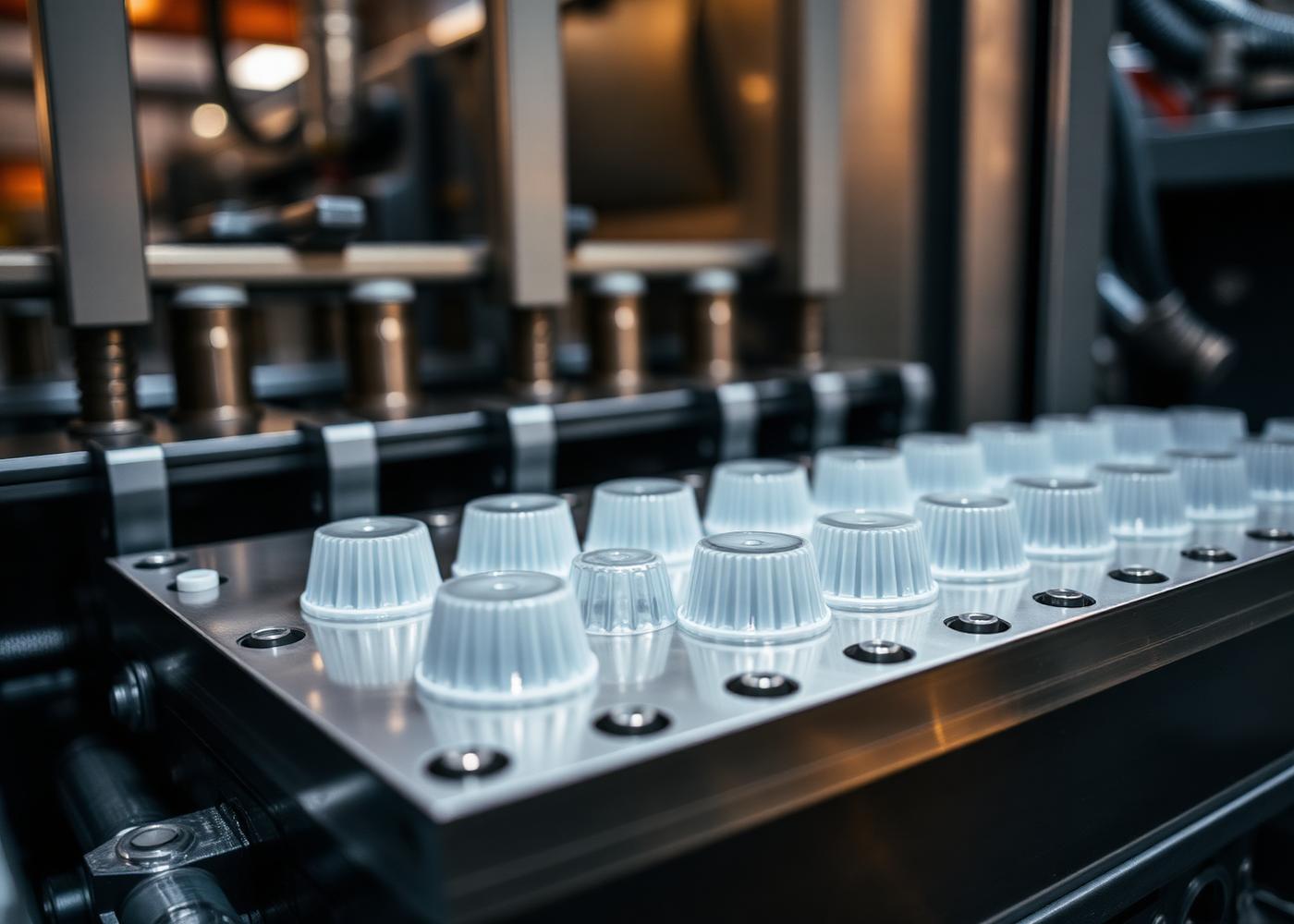
Cycle time, part weight and cavity count usually move the cost per thousand more than the resin choice itself. Specifying a lighter wall on the wrong resin is a false economy — it shows up as cracked caps in transit.
The short answer
Specify PP for threaded and hinged closures where dimensional stability matters, and HDPE where impact toughness and chemical duty dominate. Confirm the grade against food-contact requirements when the pack is edible.